Running a business is an operations problem.
For years, I managed my own business the same way most small businesses do — spreadsheets, email threads, sticky notes, and memory.
It worked. Until it didn't.
As the work grew, the overhead grew with it. Tracking clients, managing contracts, following up, generating invoices, doing research — all of it was manual. All of it was time I wasn't spending on the actual work.
I needed a system. Nothing off the shelf fit. So I built one.
Then I kept building.
A network of agents that runs the back office.
I operate a network of AI-powered agents — built on frontier models — that handle the parts of running a business that don't require my judgment.
Each agent has a defined role. Each one runs on a schedule or on demand. None of them require me to babysit them.
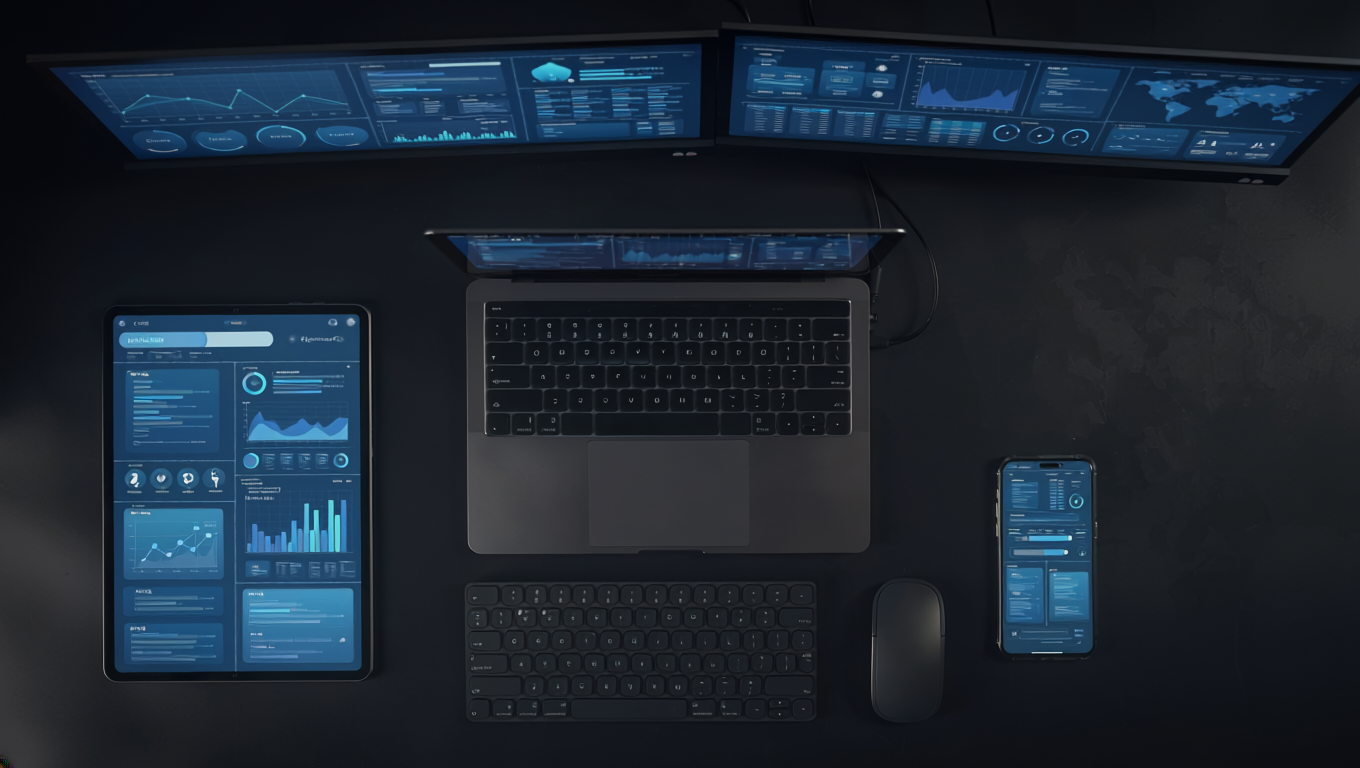
Handles deep research requests, drafts client-facing documents, triages information, and functions as a first-pass filter on anything that would otherwise eat an hour of my day.
Runs hourly patrols. Checks for booking conflicts. Files a morning report. Flags anomalies before they become problems. Named after a crab who manages things underwater.
A framework of agents that watch different parts of the business — client activity, project status, communications — and surface what needs attention without requiring me to check everything manually.
These aren't experiments. They're infrastructure. They run every day whether I'm working or not.
See what this looks like for clients →I build for clients the same way I build for myself.
When a client tells me they're spending three hours a week on something that should take ten minutes, I don't have to imagine what that costs. I've been there.
And I know what it looks like on the other side — when the manual work is gone and the system just runs.
That's what I build. Not software you have to manage. Systems that manage themselves.
More about Ryan →A good system should disappear.
The best automation is the kind you stop thinking about.
You don't notice it running. You only notice when something would have gone wrong — and didn't.
That's the standard I build to. Because it's the standard I live with.
Want to see what this looks like in your business?
Tell me what's manual, what's repetitive, or what keeps falling through the cracks. I'll tell you what a system would look like that handles it.
Start a Project First conversation is free. No jargon. No wasted time.